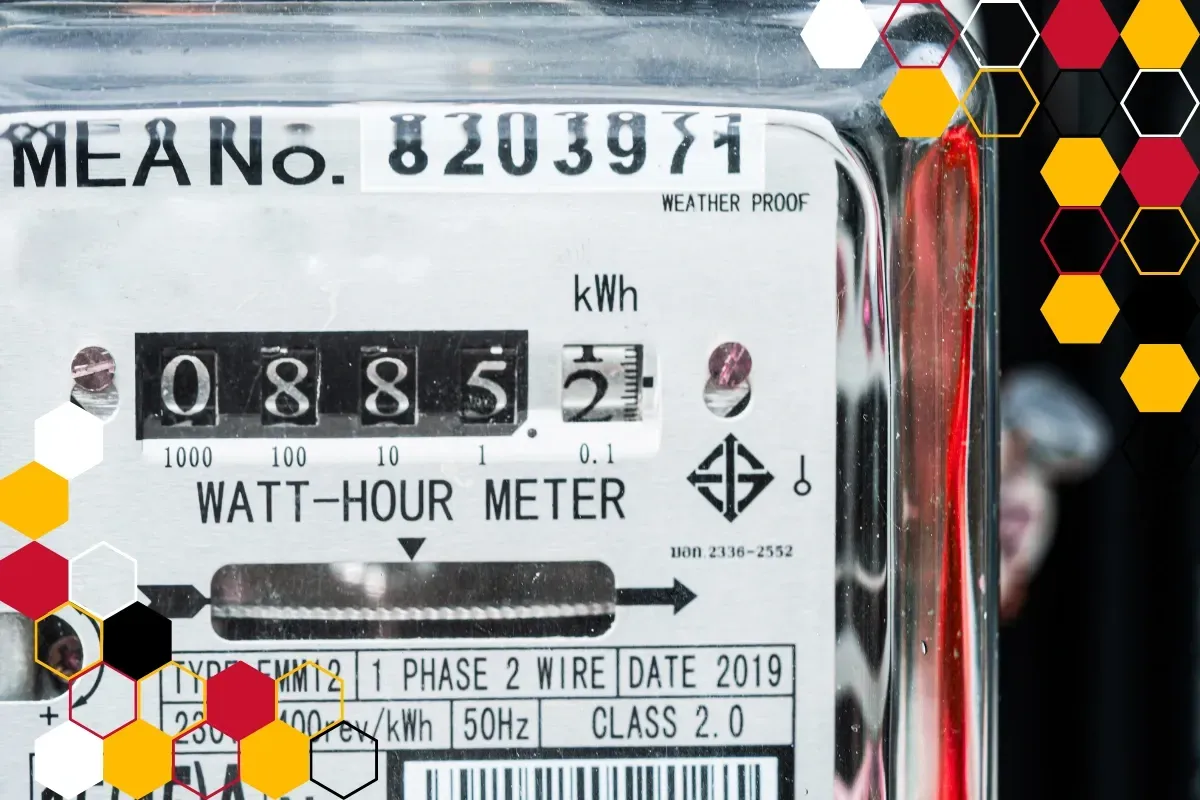
How to Check Solar Performance in Manchester
Put panels on the roof, watch the bills come down a touch, and leave the system to get on with it. That's how most Manchester homeowners and businesses treat solar once it's installed. And honestly, it's understandable. Modern systems are reliable, the inverter hums away quietly, and life moves fast. But if you're not keeping an eye on a few key numbers, you could be missing a fault that's quietly costing you kWh, or leaving real savings unclaimed. The good news? Staying on top of it doesn't take much.
Quick take: The solar performance checkers that actually matter for Manchester properties, from kWh output and performance ratio to payback period and Smart Export Guarantee income. What each metric tells you, what to watch for, and how to make monitoring a habit rather than a headache.
Table of Contents
Why Solar Performance Checkers Matter for Manchester Homes and Businesses
The Solar Performance Checkers Worth Tracking First
Production Performance Checkers: What the kWh Numbers Actually Tell You
Understanding Savings, ROI, and Payback for Manchester Properties
Monitoring System Efficiency and Uptime in Manchester
How to Keep Your Solar Performance Tracking Simple and Actionable
Why Solar Performance Checkers Matter for Manchester Homes and Businesses
Manchester has never been a city that sits still, and running a solar system without tracking its performance is a bit like running a business without looking at the numbers. Things can drift off course without anyone noticing.
For Manchester businesses, whether that's a commercial unit in North Manchester or a warehouse in East Manchester, tracking performance ties directly to the bottom line. Energy costs, peak demand, and cost per kWh are all manageable once you have clear data to work with.
For homeowners in areas like South Manchester or West Manchester, the same logic applies. A quick monthly check on your KPIs (Key Performance Indicators, the small set of numbers that tell you whether something is working as it should) can flag a gradual drop in output before it becomes a real problem.
In practical terms, solid KPI tracking lets you:
Catch faults before they cause notable output loss
Confirm your savings are matching what was projected at installation
Back up Smart Export Guarantee (SEG) claims with accurate export data
Demonstrate sustainability credentials to tenants, stakeholders, or planning bodies
The Solar Performance Checkers Worth Tracking First
Not every metric deserves the same level of attention. If you're just getting started, these are the ones that tell you the most.
Energy Generated (kWh) is the foundation. Daily, monthly, and annual output figures show whether your system is meeting the expectations set at installation. Manchester's climate means yields sit at the lower end of UK averages, but a well-positioned, unshaded system should still perform solidly.
Normalised Yield (kWh/kWp) adjusts output for system size, letting you compare fairly against national benchmarks. UK systems typically yield 800–1,100 kWh per kWp per year. A 4 kWp system in Manchester should be generating roughly 3,200–4,400 kWh annually. Consistently below that range? Worth a closer look.
Performance Ratio (PR) is the efficiency metric that ties everything together. It measures what your system actually produced against what it theoretically should have produced, given the sunlight available. A well-maintained UK system sits at 75–85% PR. Anything dropping below 70% is a clear signal of shading, soiling, or a component issue.
Uptime and Availability is simply how much of each daylight period your inverter is actually running. The standard target is above 95%. Repeated brief outages or persistent error codes cut directly into your kWh total.
Self-consumption and Export are particularly relevant for anyone running solar battery storage. Self-consumption ratio measures how much of your generated energy you're actually using on-site rather than sending to the grid. Exported kWh feeds into your SEG payments. Both are worth checking monthly.
Financial KPIs complete the picture. Payback period, ROI, and net annual savings tell you whether the investment is working. For Manchester businesses, payback typically falls in the 4–6 year range. For residential installations, it's generally 7–12 years.
Production Performance Checkers: What the kWh Numbers Actually Tell You
Production metrics are where most people start, and rightly so. Modern inverters log kWh output hourly, daily, and monthly without you having to do anything. External data shows that a 4 kWp system in southern England typically generates 3,600–4,400 kWh per year, with around 10–12 kWh on a clear summer day. Manchester sits further north with more overcast skies, so yields run at the lower end, roughly 800–1,000 kWh per kWp annually.
Performance ratio deserves its own attention here. PR captures all the real-world losses that affect a system day to day: shading from neighbouring buildings, soiling on panel surfaces, inverter inefficiency, and temperature-related losses on warmer days. It's calculated as actual kWh output divided by expected output based on available irradiance. Industry benchmarks place a good UK system PR at 75–85%, and research into PV systems has found average real-world PR sitting around 78–79% of expected output.
Manchester's building stock is worth bearing in mind here. Victorian terraces in Fallowfield and Didsbury, Edwardian semis across Chorlton, and converted cotton mill developments near the Northern Quarter all come with their own shading considerations. Chimney stacks, party walls, and rooftop plant equipment can reduce kWh generation gradually, in ways that are only obvious when you're tracking PR over time. That's precisely where monitoring earns its keep.

Understanding Savings, ROI, and Payback for Manchester Properties
The financial metrics most worth knowing are annual bill savings, ROI, internal rate of return (IRR), and payback period. For Manchester businesses running larger systems with substantial daytime electricity use, payback typically lands in the 4–6 year range, with annual ROI often reaching 14–20%. Residential installs across areas like South Manchester or West Manchester tend to see payback in the 7–12 year window, though the compounding effect of savings over a 25-year panel lifespan makes the numbers look considerably better over the long run.
ROI isn't a figure you calculate once at the point of installation and then forget. Monitoring these returns over time means you can flag any decline and respond to it, whether that's booking a maintenance visit or adjusting how you use power during peak generation hours.
Export income is worth keeping a close eye on too. Under the Smart Export Guarantee, your energy supplier pays you for every kWh you send back to the grid. Tracking exported kWh through your inverter or smart meter means you can verify the payments are correct and spot opportunities to reduce what you export by using more energy on-site when the sun's out. If you're already generating well but exporting a high proportion, pairing your system with battery storage could meaningfully shift that balance in your favour.
For a more personalised view of how your system's finances stack up, the team at Solar Panels Manchester can help you benchmark against realistic projections for your area.
Monitoring System Efficiency and Uptime in Manchester
Performance ratio acts as a health indicator as much as an efficiency metric. A stable PR in the 75–85% range tells you the system is doing its job properly. A sustained drop below that, especially over several consecutive weeks, points to something worth investigating: soiling, a new shading obstruction, or an inverter fault.
Manchester's weather creates specific conditions to keep in mind. The city gets more overcast days than most of England, and periodic heavy rain tends to keep panels reasonably clean. That said, moss and lichen can build up on older properties, and pollution near busy arterial routes can leave a film on panel surfaces over time. If your system hasn't had a professional clean recently, a steady PR decline could be pointing at that.
Availability is straightforward: operational time divided by total daylight hours. Keeping this above 95% is standard. An inverter that's regularly dropping offline, even briefly, is losing you kWh every time it does.
If you're running a commercial system or managing multiple arrays, fault count and mean time between failures are worth logging too. It gives your maintenance provider a clearer picture of reliability and makes it easier to plan servicing rather than react to it. Most modern inverters, including SolarEdge, Enphase, and GivEnergy, handle this automatically through their apps, logging generation, PR, battery state, and error codes without any manual input.
How to Keep Your Solar Performance Tracking Simple and Actionable
The main risk with performance monitoring is making it more complicated than it needs to be. You don't need to spend hours each week in spreadsheets. The goal is to know quickly when something needs attention.
Your inverter's app is the starting point. It tracks kWh output, PR, and battery levels automatically. Set up alerts for inverter errors so any drop in performance reaches you directly rather than going unnoticed for weeks.
Beyond the app, a simple monthly log covers most of what you need. Record your total generated and exported kWh, your current PR, and whether output matched the installer's projection for the month. For homeowners in Wythenshawe or Didsbury, this takes under ten minutes and gives you a running record you can actually use if you ever need to raise a warranty or maintenance query.
Your smart meter or in-home display adds another layer: real-time import and export figures that show you exactly how much of your solar generation you're keeping on-site versus sending back to the grid.
For commercial systems across Manchester, a quarterly review with your installer or operations and maintenance provider is worth building into the schedule. Work through kWh trends, PR history, financial returns, and any fault events. That keeps KPIs actionable rather than gathering dust in an app. You can also explore our blog for further guidance, or get in touch if you'd like a professional assessment of what your system should be producing.
Final Thoughts on Solar Performance Checkers for Manchester
You don't need specialist software or a technical background to stay on top of your solar performance. A handful of clear KPIs, covering kWh output, performance ratio, uptime, and financial returns, give you a complete picture of whether your system is working properly and delivering on the investment.
The data is already there in your inverter's app or on your smart meter. What makes the difference is the habit of checking it. Manchester properties that are actively monitored catch faults earlier, claim more accurate SEG payments, and get more from every system they run.
Whether you're just getting started with solar, or looking to get more out of an existing system in North Manchester or East Manchester, the principle is the same: track what matters, and act on what you find. That's how Manchester keeps moving forward.

Solar Performance Checkers FAQs
What should my Manchester solar system produce?
A typical Manchester home system yields around 800–1,000 kWh per kWp per year, at the lower end of UK averages given the city's latitude and cloudier skies. A common 4 kWp install will often generate 3,200–4,000 kWh annually, around 10–12 kWh on a bright summer day and considerably less in winter. These figures are your baseline for judging whether your system is performing as it should.
What is a good Performance Ratio for a Manchester system?
PR measures your actual kWh output against what the system theoretically should have produced, accounting for available sunlight and temperature. For Manchester, a PR of 75–85% is solid. A PR consistently below 70% usually points to panel soiling, shading from a chimney stack or nearby tree, or a component fault. If your PR has been trending downward over a number of months, it's worth booking a maintenance check before the issue compounds.
How long until my solar panels pay for themselves in Manchester?
It depends on system size, how much electricity you use during the day, and whether you're a homeowner or a business. Manchester businesses with larger systems and high daytime consumption typically see payback in 4–6 years, with annual ROI in the 14–20% range. Residential installs tend to see payback in 7–12 years, with overall ROI of around 8–15%.
How can I easily monitor my solar performance?
Start with your inverter's monitoring app. Most modern inverters include a free app or web portal showing real-time kWh generation, performance ratio, battery levels, and fault alerts. Pair this with your smart meter or in-home display for import and export figures. A basic monthly log of total generated kWh, exported kWh, and current PR adds context over time and makes it straightforward to spot any gradual decline.
What about SEG export payments?
Under the Smart Export Guarantee, your energy supplier pays you for every kWh you send back to the grid. Tracking your exported kWh through your inverter app or smart meter means you can verify the payments are right, and identify whether adjusting battery charging schedules or shifting appliance use to daytime hours could let you keep more energy on-site.
How do I know if something's wrong with my system?
The clearest signs are a sudden drop in daily kWh output, a sustained fall in PR, or a persistent inverter error code. If your system is generating well below the installer's estimate on clear days, or if PR has been declining for several weeks with no obvious cause, it's time to investigate. Check for new shading sources, dirty panels, or any visible connection issues. If nothing obvious explains it, contact your installer or a qualified maintenance provider to take a closer look.
