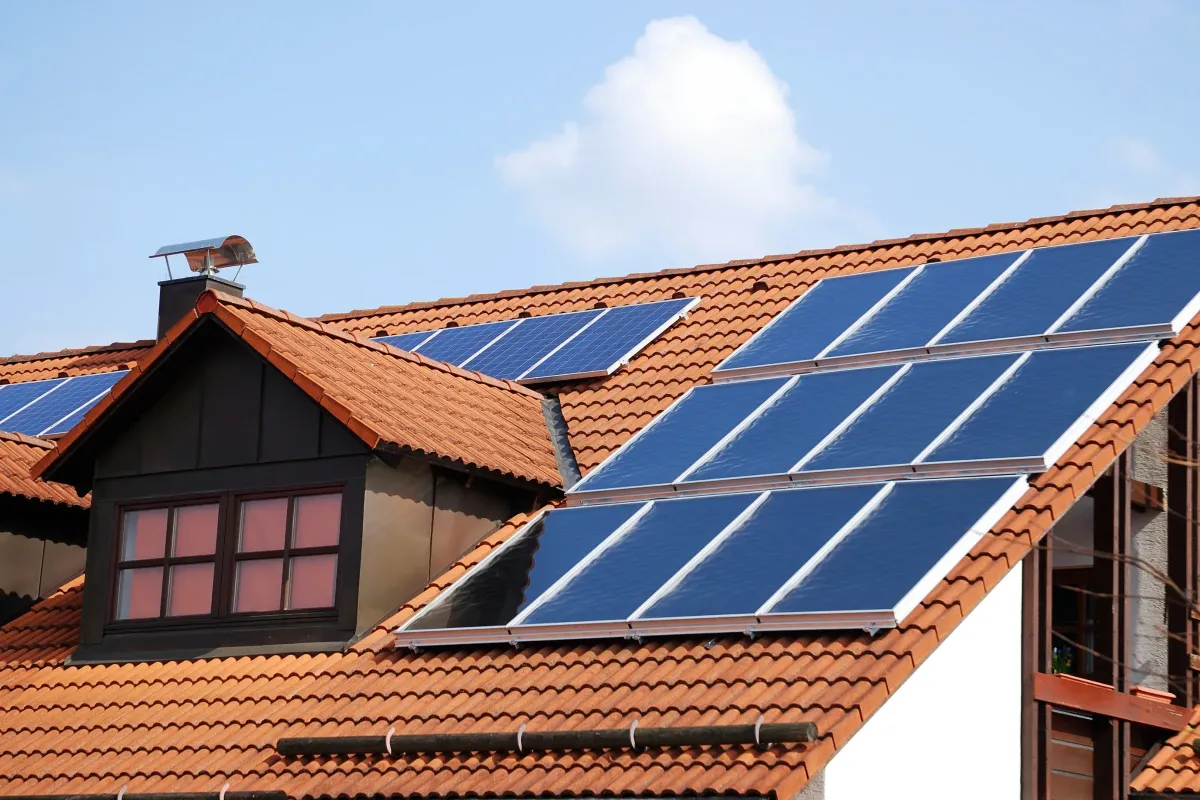
Natural Factors that Affect Solar in Manchester
Thinking about solar for your Manchester home? Between the clouds, rain, and those trees in your garden, there's plenty to consider. But here's the thing: while nature influences solar output, understanding these factors means you can work with them, not against them.
Quick take: Sun direction, weather, shading, and air quality all affect solar performance. South-facing panels generate the most energy, though east or west work well too. Manchester gets enough sunshine for viable solar (around 1,400 hours yearly), and simple steps like proper placement, cleaning, and smart tech help you maximise your system's potential.
Table of Contents
Why Natural Factors Matter for Solar Performance
Sun Direction and Roof Orientation
Manchester Weather and Climate
Air Clarity and Atmospheric Conditions
Nature's Mess: Pollen, Dirt and Birds
Simple Ways to Make the Most of These Factors
Final Thoughts on Natural Factors that Affect Solar in Manchester
Why Natural Factors Matter for Solar Performance
Solar panels convert sunlight into electricity, so environmental conditions directly impact power output. Research shows partial shading can slash annual energy by 10-20% or more, while east or west-facing panels typically generate only 80-85% of what south-facing panels produce. In Manchester, understanding sun direction, weather, air clarity, and shading is crucial for maximising your return on investment.
Sun Direction and Roof Orientation
Your roof's orientation makes a massive difference. In the UK, south-facing panels deliver the highest energy production. East or west-facing roofs generate roughly 75-85% of what south-facing arrays produce. North-facing roofs usually aren't worth it, yielding half the output or less.
Manchester sits at around 53.5°N latitude, meaning an optimal pitch of 35-40° captures the most sunlight. Fortunately, typical pitched roofs fall within this range. Even slopes between 15° and 60° have minimal impact on production.
The takeaway? South-facing is ideal, but south-east or south-west work well with only 5-10% reduction. East or west means roughly 15-20% less energy, which is still worthwhile. Avoid north-facing installations as they receive limited direct sun, especially in winter.
Manchester Weather and Climate
Manchester isn't exactly known for endless sunshine. We're more famous for our rain. Our city receives approximately 1,400 hours of sun annually. June brings around 190 hours, while December delivers barely 50.
But solar panels don't need blazing heat to work. They generate electricity from daylight, not warmth. Even on overcast days, around 90% of UV light penetrates clouds and reaches your panels. They'll produce power on cloudy days, just at lower levels.
Manchester's climate actually offers advantages. Cooler temperatures help panels operate more efficiently. Panels lose efficiency when too hot, so our moderate weather boosts performance compared to scorching climates.
The UK's annual solar irradiation sits between 750-1,100 kWh per square metre. With proper sizing, Manchester's climate absolutely supports successful solar installations. Just as our city led the way during the Industrial Revolution, we can be a guiding light for renewable energy today.

Air Clarity and Atmospheric Conditions
Air clarity refers to how free the atmosphere is from haze, dust, and pollution. Clear air means more sunlight reaches your panels directly. When laden with particles, sunlight gets scattered or absorbed.
Occasionally, Saharan dust blows into the UK. During these events, dust can reduce sunlight and cause performance drops of up to 20%.
Manchester doesn't face severe dust storms, but as an urban area, air pollution is a consideration. Vehicle exhaust and industrial emissions create light haze that can marginally reduce solar irradiance. However, typical UK air pollution causes smaller losses compared to heavy cloud cover or shade.
The silver lining? Manchester's frequent rainfall clears pollutants from the air and rinses dust or pollen off panels. After good rain, especially on clear days, panels receive maximum sunshine.

Shading from Trees
Shading is arguably the most critical local factor, and trees are often the main culprit. Unlike clouds that allow diffuse light through, tree shadows block most sunlight entirely. If just 10% of a panel sits in shade, it can slash output by 20-50% due to how solar cells are wired together.
You'll need to assess how trees might shade your roof throughout the day and across seasons. A tree blocking summer sun might cast long shadows in winter when the sun sits lower. Deciduous trees lose leaves in winter, but bare branches still block surprising amounts of sunlight. Evergreens pose year-round risks.
UK installers calculate a "shading factor" for proposed arrays, accounting for expected shade from trees, buildings, and chimneys. Trim or remove problem branches when possible. If complete shade removal isn't feasible, panel-level optimisers or micro-inverters help reduce losses.
Maximising your gains in South Manchester or North Manchester means ensuring clear sun exposure, especially between 10am and 4pm when solar radiation peaks.
Nature's Mess: Pollen, Dirt and Birds
Everyday grime affects solar performance. Dust, pollen, bird droppings, and debris accumulate on panels, blocking sunlight from reaching cells.
Dust and Pollen: These particles form a hazy film that scatters sunlight. Research shows buildup can reduce output by 5-20%. Manchester's rain helps rinse panels, but during dry periods or spring pollen season, layers accumulate.
Bird Droppings: These are more problematic. Opaque and thick, they completely block sun from covered cells. Because panels use series circuits, one shaded cell drags down current flow. Bird droppings cause disproportionately large losses and won't wash off with just rain.
Leaves and Organic Debris: Falling leaves cover portions like shade does. Tree sap creates sticky residue on glass that's tough to remove.
Studies show cleaning long-neglected panels can yield nearly 30% output jumps, illustrating the real impact on your solar battery storage system's efficiency.
Simple Ways to Make the Most of These Factors
Many natural factors can be managed with smart planning. Here are practical tips for Mancunian homeowners looking to join the solar swarm:
Optimise Panel Placement: Position panels for maximum sun exposure. South-facing at about 35-40° tilt works best for Manchester's latitude. If due-south isn't available, south-east or south-west work with marginally lower output.
Minimise Shading: Design your layout to be shade-free during core sunlight hours. Trim overhanging branches or consider reducing taller trees casting shadows. If shading is unavoidable, power optimisers or micro-inverters limit loss to affected panels only. Simple pruning can dramatically improve output in East Manchester or West Manchester.
Keep Panels Clean: Clean panels roughly once every 12-18 months. Check your array a couple of times yearly, especially after pollen season or dry spells. Heavy soiling can cause 5-20% output drops. Schedule cleaning toward spring's end, before high-sun summer months.
Use Smart Technology: If your site has challenges like partial shading, micro-inverters or DC optimisers allow systems to cope better. One shaded panel won't drag down the entire string's performance. Whether you need maintenance in the City Centre or routine check-ups elsewhere, staying on top of system health pays dividends.
Final Thoughts on Natural Factors that Affect Solar in Manchester
Installing solar in Manchester comes with unique natural considerations. While we don't have endless desert sunshine, real-world data shows solar thrives here when systems are planned and maintained with local factors in mind.
Many "natural challenges" like moderate temperatures and regular rainfall end up being beneficial. Rain cleans panels naturally, and cool weather boosts efficiency. Good system design coupled with simple maintenance ensures Manchester solar PV systems operate efficiently year after year.
Over 1.3 million solar PV installations exist on UK homes, underscoring viability even in temperate, cloudy climates like ours. Manchester receives substantial annual solar irradiation, enough to generate considerable electricity yearly.
With the right approach, challenges can be overcome. If you maximise sunshine on panels and keep them clean and shade-free, your installation reaches full potential. On bright summer days, panels supply huge chunks of UK power, with solar peaking at over 30% of electricity on some sunny days.
Just as Manchester led the Industrial Revolution, we can be the North Star guiding the renewable energy revolution. For more information, visit our about page, explore our blog, or get in touch.
Natural Factors that Affect Solar FAQs
Do solar panels work on cloudy days and during winter in Manchester?
Yes, panels still produce electricity in cloudy weather and winter, just at reduced levels. They respond to daylight, not heat. On very overcast days, output drops by 10-20% compared to clear days, but panels continue working. In winter, production is lower because days are shorter and the sun sits lower. Manchester only gets around 50 hours of sunshine in December, versus roughly 190 hours in June. Modern panels effectively capture diffuse light and operate efficiently in cold temperatures.
Does my roof have to face south for solar to be worthwhile?
Not strictly. While south-facing roofs are ideal, panels perform well on east or west-facing roofs with only 15-20% less energy. East/west roofs often get about 80-85% of a south roof's annual yield, which is still substantial. Avoid north-facing roofs as they may only produce around 50% of a south-facing system's energy. South-facing is best, but east or west remain very productive, whether you're in Ancoats, Salford Quays, or anywhere across Greater Manchester.
How much does shading from trees or buildings affect solar output?
Shading is one of the worst factors for panel performance. If just 10% of a panel is shaded, it can reduce that panel's power by 20-50%. A tree covering multiple panels can cut system output roughly in half if unaddressed. Shading during peak sun hours (10am-4pm) is especially detrimental. The good news? Trimming branches can dramatically improve production. Panels can be equipped with optimisers or micro-inverters so shaded panels don't take down whole string output.
Do I need to clean my solar panels, and if so, how often?
Yes, periodic cleaning keeps panels at peak efficiency. Clean panels roughly once every 12-18 months. Manchester rain helps rinse panels naturally, but doesn't always remove all grime, especially sticky substances like tree sap or bird droppings. Dirty panels can lose 5-20% efficiency. A simple hose rinse washes off most loose dirt. For stubborn muck, use a soft brush with a long pole. If panels are difficult to access safely, consider hiring professional solar maintenance services.
Is Manchester sunny enough for solar to be worth it?
Absolutely. Manchester gets around 1,400+ hours of sunshine annually, which is plenty for viable solar generation. A properly sized 4 kW home system can generate roughly 3,500-4,000 kWh per year, enough to cover most household electricity usage. Over 1.3 million home solar installations exist across the UK, testifying to solar's viability here. Panels typically pay for themselves within 7-12 years for well-sited systems. Thousands of local homeowners are already reaping the benefits. It's time to join the solar swarm and power the house with clean energy from the sun.
