
Why Solar Panel Rail End Caps are a Must — Manchester
When you go solar in Manchester, it's natural to concentrate on the big decisions: which panels to go with, what size system your home or business needs, whether to add battery storage. What doesn't tend to get much airtime is a small component that quietly does a lot of heavy lifting. Solar panel end caps sit at the open ends of your mounting rails, and while they don't generate energy or store it, leaving them off is the kind of shortcut that costs more to fix later than it ever saved upfront.
Quick take: Solar panel end caps are protective covers that seal the exposed ends of your solar mounting rails. They keep out rain, debris, and pests, slow down corrosion, and give your installation a clean, professional finish. They're inexpensive, simple to fit, and should be non-negotiable on every Manchester solar installation.
Table of Contents
Why Manchester Homes and Businesses Need Solar Panel End Caps
What Solar Panel End Caps Are Made From
The Key Benefits of Solar Panel End Caps
How to Choose the Right Solar Panel End Caps for Your Manchester Installation
Why Manchester Homes and Businesses Need Solar Panel End Caps
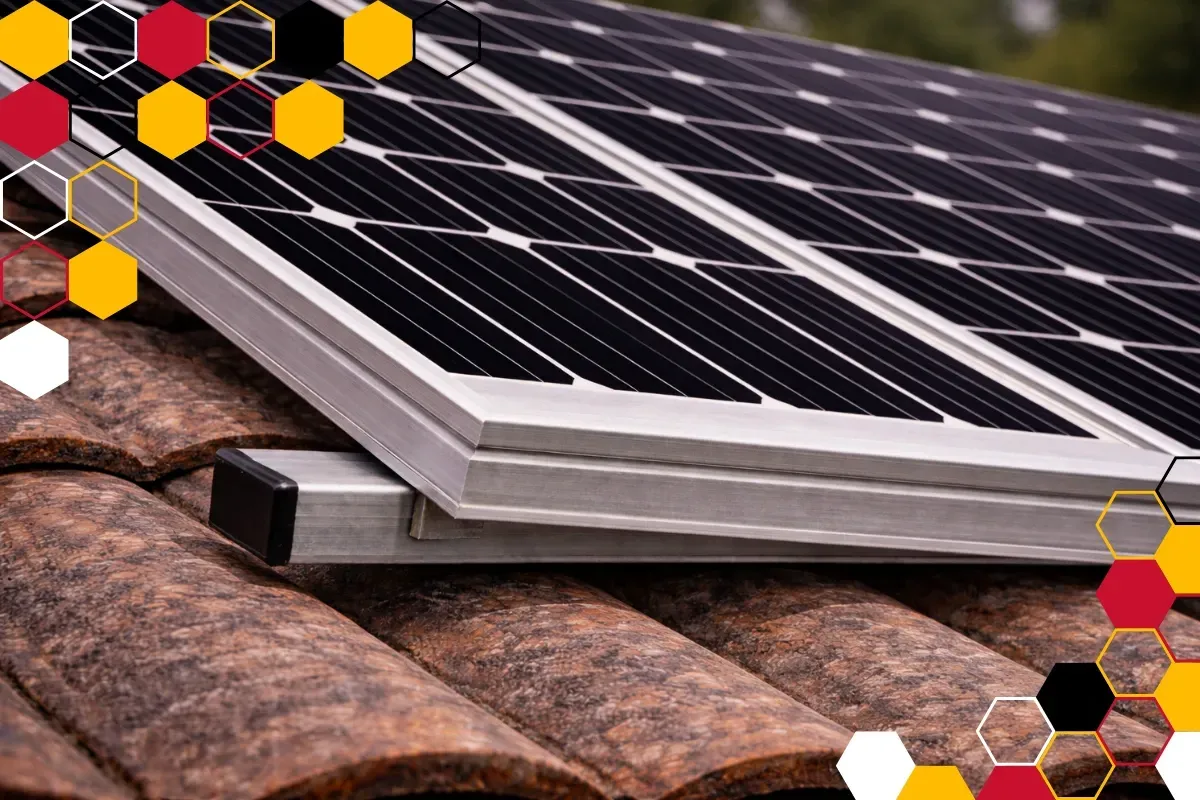
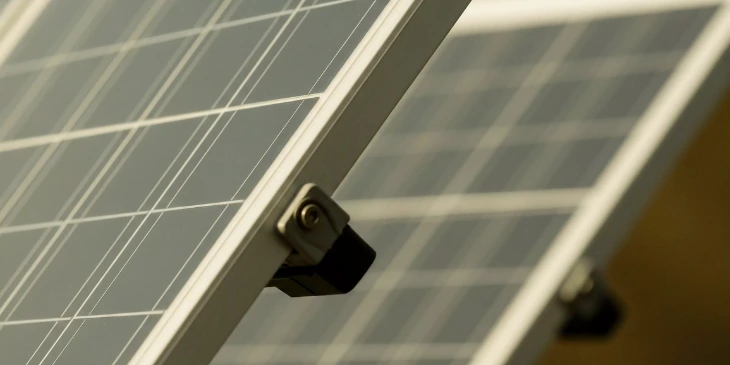
Solar panel end caps attach to the cut ends of the aluminium or steel rails that carry your panels on the roof. Those ends are hollow. Left open, they become a channel for everything Manchester's weather throws at a rooftop: rainwater, windblown grit, and airborne debris that gradually builds up inside the rail.
Manchester averages over 140 days of rain a year. That's not a knock on the city, it's just the reality of living in the North West, and it's a reality that any well-specified solar system has to account for. Water that gets into open rail ends doesn't evaporate cleanly. It sits, it works into joints, and over months and years it creates the kind of internal rust and structural degradation that shortens the life of the whole racking setup. Solar panel end caps cut that process off at the source.
There's a safety angle too. Cut rail ends are sharp, and anyone carrying out future solar maintenance is working around those edges. Capped rails remove that hazard. And visually, a finished installation with sealed ends simply looks the part, which matters whether your panels are on the front elevation of a Chorlton terrace or the flat roof of a business in West Manchester.
According to distributors in the photovoltaic mounting space, solar panel end caps serve both functional and protective roles in PV systems, making them a standard feature of any well-built installation.
Whether you're installing solar panels in North Manchester, South Manchester, or right in the City Centre, solar panel end caps belong on the spec sheet without question.
What Solar Panel End Caps Are Made From
The material your solar panel end caps are made from matters more than most people expect. Here's a breakdown of the main options.
Anodized aluminium is the most common choice, and for good reason. It's strong, light, and naturally resistant to corrosion, holding up well against prolonged exposure to rain and temperature swings. It's a sensible pick for the kind of rooftops you find across Manchester, from Victorian terraces in Didsbury to Edwardian semis in Fallowfield and converted mill buildings in Ancoats.
UV-stabilised plastic (typically ABS or polycarbonate) is another widely used option. Lighter than metal, electrically insulating, and mouldable to fit a wide range of rail profiles, modern solar-grade plastics are built with UV inhibitors that stop them cracking or warping after years in British weather.
For tougher settings, stainless steel solar panel end caps offer the highest level of corrosion resistance and are most often used on industrial rooftops or exposed commercial sites. Rubber or silicone end caps go one step further in particularly wet locations, creating a watertight seal that rigid materials can't always replicate.
For most Manchester residential and commercial solar installations, anodized aluminium or high-quality UV-stabilised plastic solar panel end caps are the practical standard. They handle everyday conditions without unnecessary complexity.
The Key Benefits of Solar Panel End Caps
The benefits of solar panel end caps are worth laying out clearly, because the case for fitting them is stronger than most people initially assume.
Weather protection is the headline benefit. Solar panel end caps seal the rails against rain, dust, and UV exposure, directly reducing the risk of corrosion inside the mounting system. In a city that sees as much rainfall as Manchester, that protection is tangible, not theoretical.
Safety. Bare rail ends are sharp metal edges. Solar panel end caps cover them, making the array safer for installers during the initial fit and for anyone working around the system during future servicing.
A clean finish. Professional installers fit end caps because they matter. Sealed rails look deliberate and well-finished, not like a job that was left half-done. That's worth something, especially on a visible roof face in East Manchester or a prominent commercial premises.
Long-term durability. Keeping water and debris out of the rails preserves the structural integrity of the whole racking system over time. Solar panel end caps are one of the cheapest ways to extend the working life of an installation that cost several thousand pounds to put in.
Pest prevention. Open rail ends are an invitation for birds and small animals to nest beneath the panels. That creates mess, noise, and real risk of wiring damage. Solar panel end caps close that gap entirely.
Taken together, these benefits make solar panel end caps one of the most cost-effective calls you can make when going solar. It doesn't matter whether your system is on a Wythenshawe semi or a Salford Quays commercial roof, small components, long-term value.
How to Choose the Right Solar Panel End Caps for Your Manchester Installation
Getting solar panel end caps right doesn't require specialist knowledge, but a few things are worth keeping in mind.
Start with material. Anodized aluminium and UV-stabilised plastic are the right call for most Manchester properties. That said, conditions vary. A sheltered residential rooftop in Didsbury sits in a different environment to an exposed flat roof on a commercial unit in West Manchester, so it's worth considering your specific situation.
Check compatibility. Solar panel end caps are sized to fit specific rail profiles. The most common dimensions are 30x30 mm and 40x40 mm, but you need to match the cap to your exact rail, not just pick the closest size. Reputable manufacturers publish compatible rail dimensions, so this is a straightforward check.
Fitting is simple. Most solar panel end caps clip or slide onto the rail end in seconds, with no tools needed. A competent installer factors this into the standard installation process, so it shouldn't be something you have to chase.
Don't cut corners on quality. Budget end caps that crack or warp after a couple of wet Manchester winters cost more to deal with than they saved at the point of purchase. Look for caps rated for outdoor solar use, with UV resistance as a baseline requirement.
If you're unsure what your system needs, the team at Solar Panels Manchester can help you work it out. You can also explore our solar battery storage page if you're thinking about getting more from your system, or get in touch to talk through your options directly.
Solar Panel End Caps FAQs
What is the difference between an end cap and an end clamp?
They're two entirely different things. Solar panel end caps seal the hollow ends of the mounting rails, stopping moisture and debris from getting in. End clamps are fasteners that grip the panel frame and lock it onto the rail. One protects the rail ends. The other holds the panels in place. They're not interchangeable.
Are end caps actually necessary?
There's no regulation requiring them, but any installer worth their salt will include them as standard. They block moisture, deter pests, cover sharp edges, and add years to the racking system's life. For what they cost, the case for fitting them is obvious.
What happens if you leave end caps off?
Nothing dramatic on day one. But over time, open rail ends take in water and debris, which leads to rust and gradual structural weakening. Uncovered edges become a hazard during any future maintenance visit. And the gaps give birds and small animals somewhere to nest, which creates its own set of problems. These things compound slowly, but they do compound.
How do I know which size to buy?
Check your racking system documentation for the rail profile dimensions. Solar panel end caps are manufactured to specific sizes, and suppliers list compatible profiles clearly. Your installer should handle this as part of the job, but if you're sourcing them separately, match the cap to the rail dimensions exactly.
Are they difficult to fit?
Not at all. Solar panel end caps typically clip or slide on in a matter of seconds and need no specialist tools. It's one of the most straightforward steps in the whole installation. A reliable installer will fit them without being asked. For more on what proper solar servicing looks like, have a read through our maintenance and repair page.
For more on solar installations across the city, browse the blog, or explore area-specific pages including North Manchester and East Manchester.
